Dysgraphia: when handwriting doesn't improve no matter how much they practice
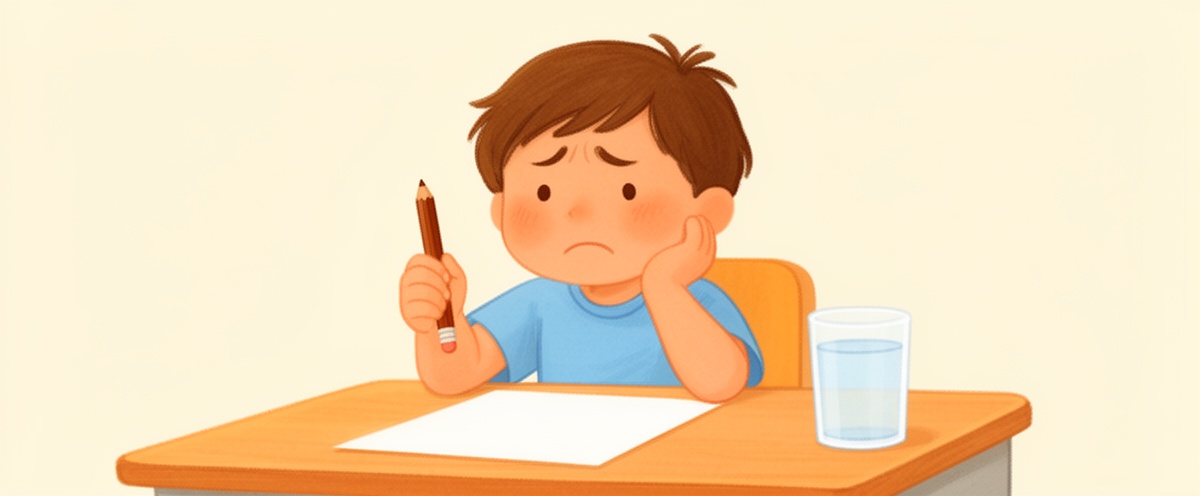
It's an ordinary afternoon. Your child has been sitting with a worksheet in front of them for a while. The sentence should have been finished five minutes ago. The pencil keeps stopping. They erase. They start over. In the end, the handwriting looks like a holiday gift no one can read. You've practiced with them, encouraged them, and bought them special notebooks. But nothing changes. And worse: you see your child feeling bad about themselves.
Before assuming they aren't trying hard enough, it's worth knowing there is a neurobiological reason behind these difficulties. Since 2013, the DSM-5 diagnostic manual from the American Psychiatric Association groups reading, written expression, and math difficulties under the term specific learning disorder. The APA estimates that between 5% and 15% of school-age children have a learning disability, and the NICHD (National Institutes of Health) notes that this says nothing about their intelligence.
What is dysgraphia?
Dysgraphia is a type of specific learning disorder that affects handwriting. It's not about writing with bad handwriting occasionally, but about persistent difficulties that don't improve with regular practice alone. According to the NICHD, people with dysgraphia may have trouble forming letters, writing within a set space, and putting their thoughts on paper as easily as they can explain them out loud.
This means a child with dysgraphia may have brilliant ideas but the paper doesn't capture them. The hand doesn't respond with the speed or precision their brain needs. It's like having a powerful car but with a slipping clutch: the engine works, but the wheel doesn't receive the power properly.
Dysgraphia is not "bad handwriting"
There is an important difference between writing with irregular handwriting and having dysgraphia. Many children have messy handwriting without having a learning disorder. Dysgraphia, on the other hand, comes with disproportionate effort, extreme slowness when writing, and constant frustration. The child may be able to write a sentence correctly if you give them time, but in a timed exam they go blank or hand in something that doesn't reflect what they know.
Learning difficulties often occur together. A child with dysgraphia may also have dyslexia, ADHD, or motor coordination difficulties. That's why it's important for a professional assessment to look at the whole picture, not just the handwriting.
Signs you can watch for at home
You can't diagnose, but you can observe carefully. According to the NICHD, some signs of learning difficulty related to writing are: writing letters or words in the wrong order, reversing letters they should already have mastered, having trouble organizing ideas in a text, and needing much more time than their classmates to finish a short essay.
You may also notice that they avoid writing, complain of pain in their hand or arm after writing, or that their notebooks are very smudged because they have trouble controlling the pencil. If several of these signs repeat over months and affect your child's school performance or emotional state, it's time to seek guidance.
What works in everyday life
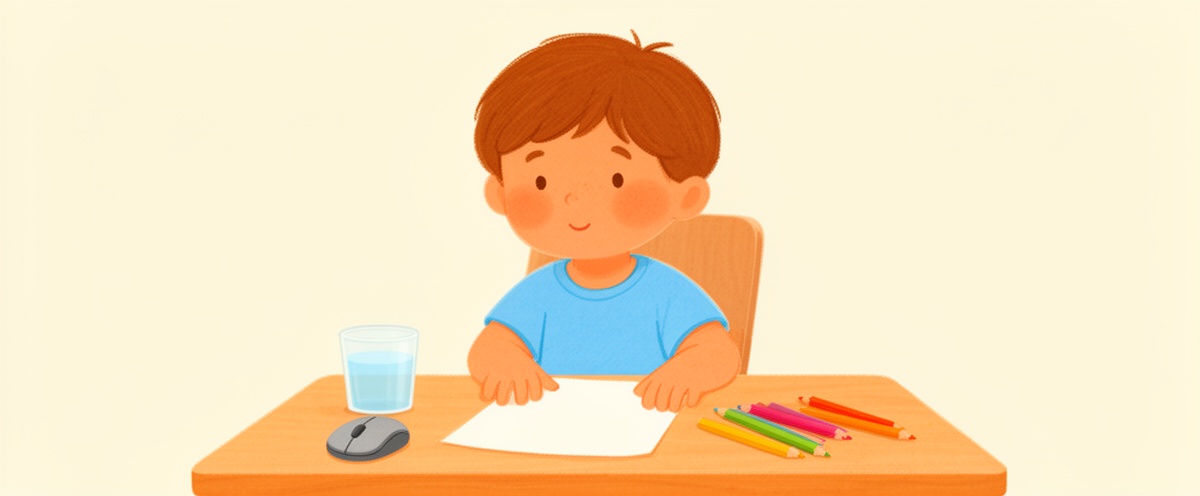
The good news is that there are practical supports that can greatly change your child's experience. According to the NICHD, children with dysgraphia can be taught to use word processors, including those with voice-to-text conversion. This doesn't mean abandoning handwriting, but giving them an alternative when the task is lengthy or complex.
The NICHD also recommends allowing more time to complete assignments. The American Psychiatric Association adds that students with specific learning disorders often benefit from classroom accommodations such as extra time on exams, using a computer to type instead of handwriting, and smaller class sizes.
At home you can try these ideas starting this week:
- Let them write on the computer or tablet when they have to write essays or long assignments.
- Use a mouse or keyboard instead of paper for assignments that don't specifically require handwriting.
- Break writing tasks into small parts: first a draft with loose ideas, then one sentence, then two. Don't ask for the full text all at once.
- Talk to the teacher about the possibility of giving more time on exams or allowing the use of a computer.
- Reduce the amount of writing required for a single activity: fewer exercises done well is worth more than many half-finished ones.
- Use notebooks with larger lines or graph paper for children who have trouble with spatial organization.
It's not about them writing less, but about writing with the right conditions so their effort translates into results.
What to do now: the first step
If you've gotten this far recognizing situations from your daily life, the next step is not to look for miracle solutions or wait for the problem to go away on its own. As the NICHD points out, signs observed at home or in class are not enough on their own to diagnose a learning difficulty; only a professional can do that.
The first step is to talk to your child's teacher and the school's guidance team. Tell them what you see at home without guilt: it's neither your fault nor your child's. Explain how writing affects their performance and emotional wellbeing. Ask for a formal meeting to explore whether a psychoeducational assessment needs to be requested.
Remember: the writing difficulty has no cure, but it can be managed successfully throughout life, according to the American Psychiatric Association. With the right supports, your child will be able to show what they know, express their ideas, and move forward with confidence.
If you want to read more about how to talk to the school about accommodations, we have a step-by-step guide at how to talk to the school about accommodations. And if you suspect dysgraphia may also come with reading or math difficulties, take a look at our articles on signs of dyscalculia by age and signs of dyslexia by age, where you'll find specific signs for each stage.
This article is for guidance only and does not replace a professional assessment. If you have questions, consult the guidance team at your school or your child's healthcare professional.